

MEDHAA (VI–VIII)
Transforming curiosity into capability.
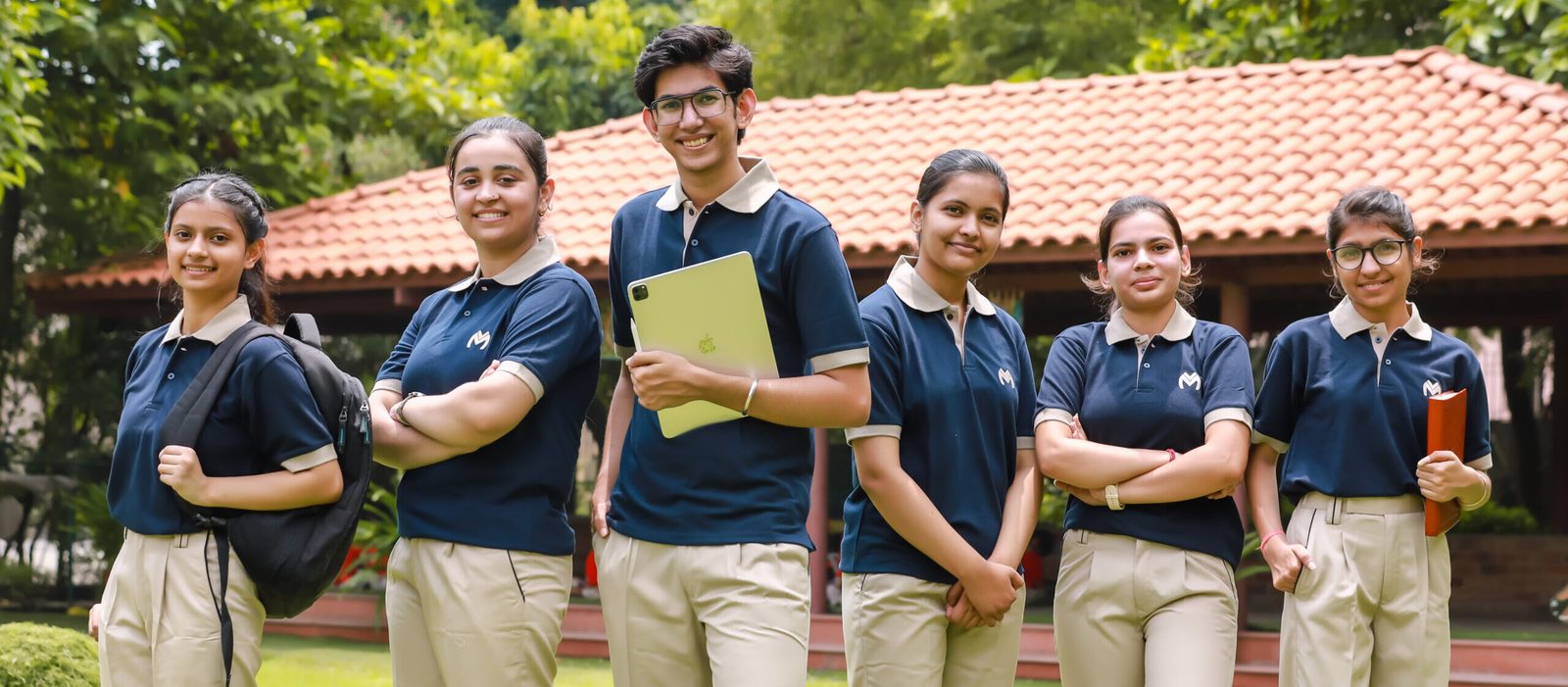
MEDHAA marks an important transition from foundational learning to deeper exploration, independent thinking and application. As students enter the middle years, their ability to question, analyse and form their own perspectives grows significantly. Our educational approach channels this emerging potential into purposeful learning.
How we learn at MEDHAA
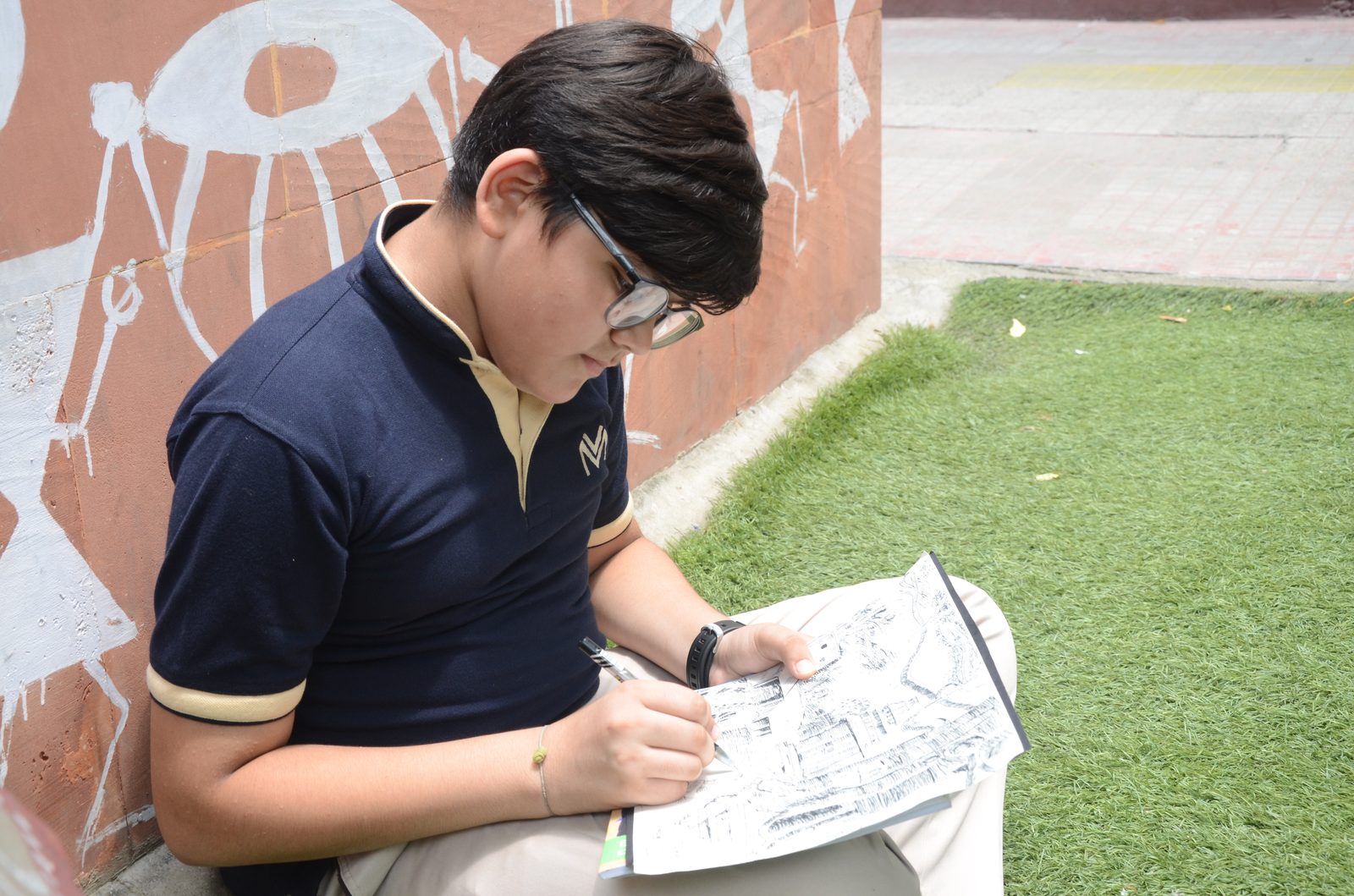
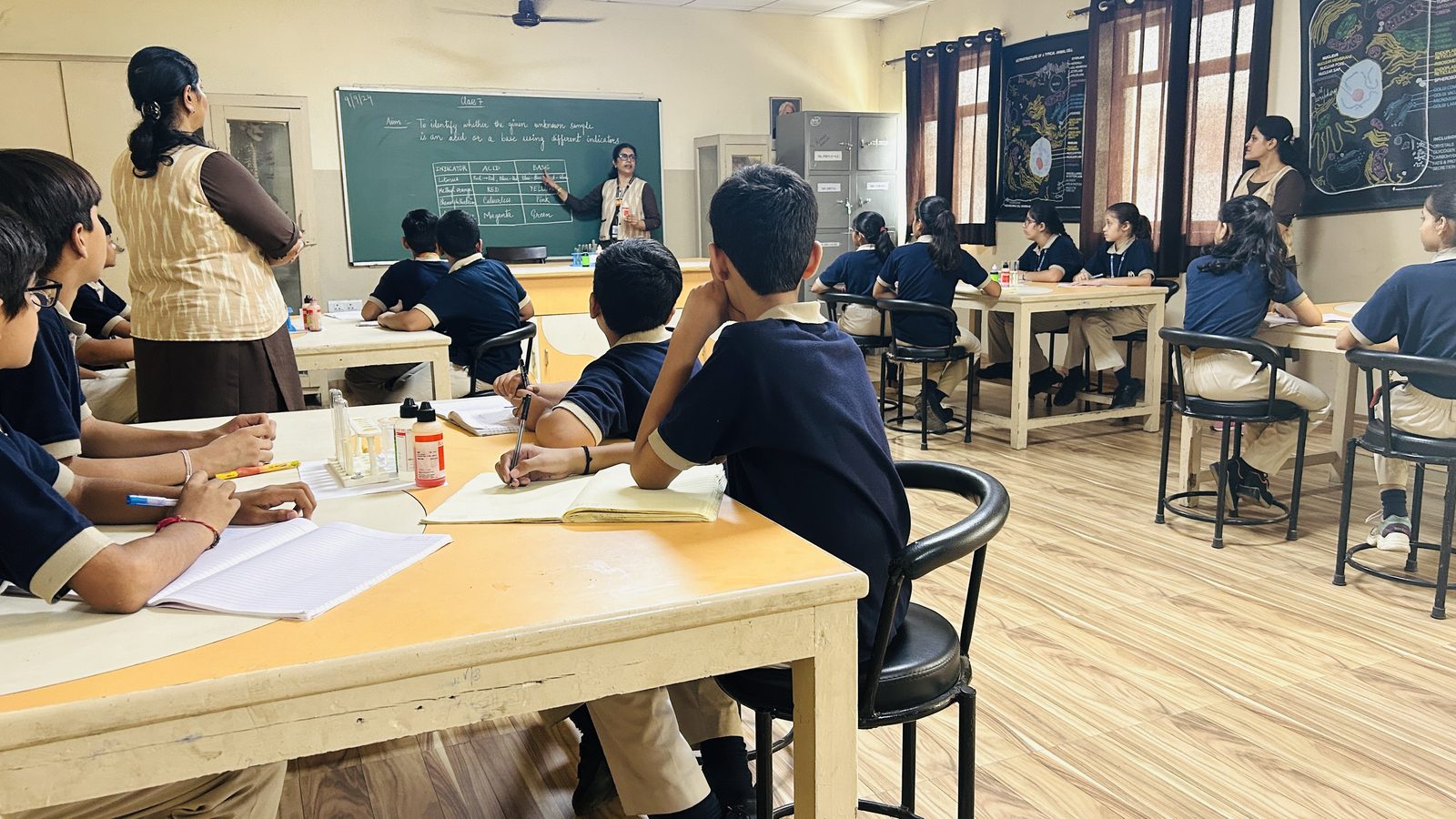
At MEDHAA, classrooms become spaces for inquiry, discussion, experimentation and discovery. Concept-based teaching enables students to understand subjects beyond memorisation, while projects, investigations and research encourage them to connect classroom knowledge with real-world situations. Students gradually learn to take greater ownership of their learning and become more independent and reflective learners.
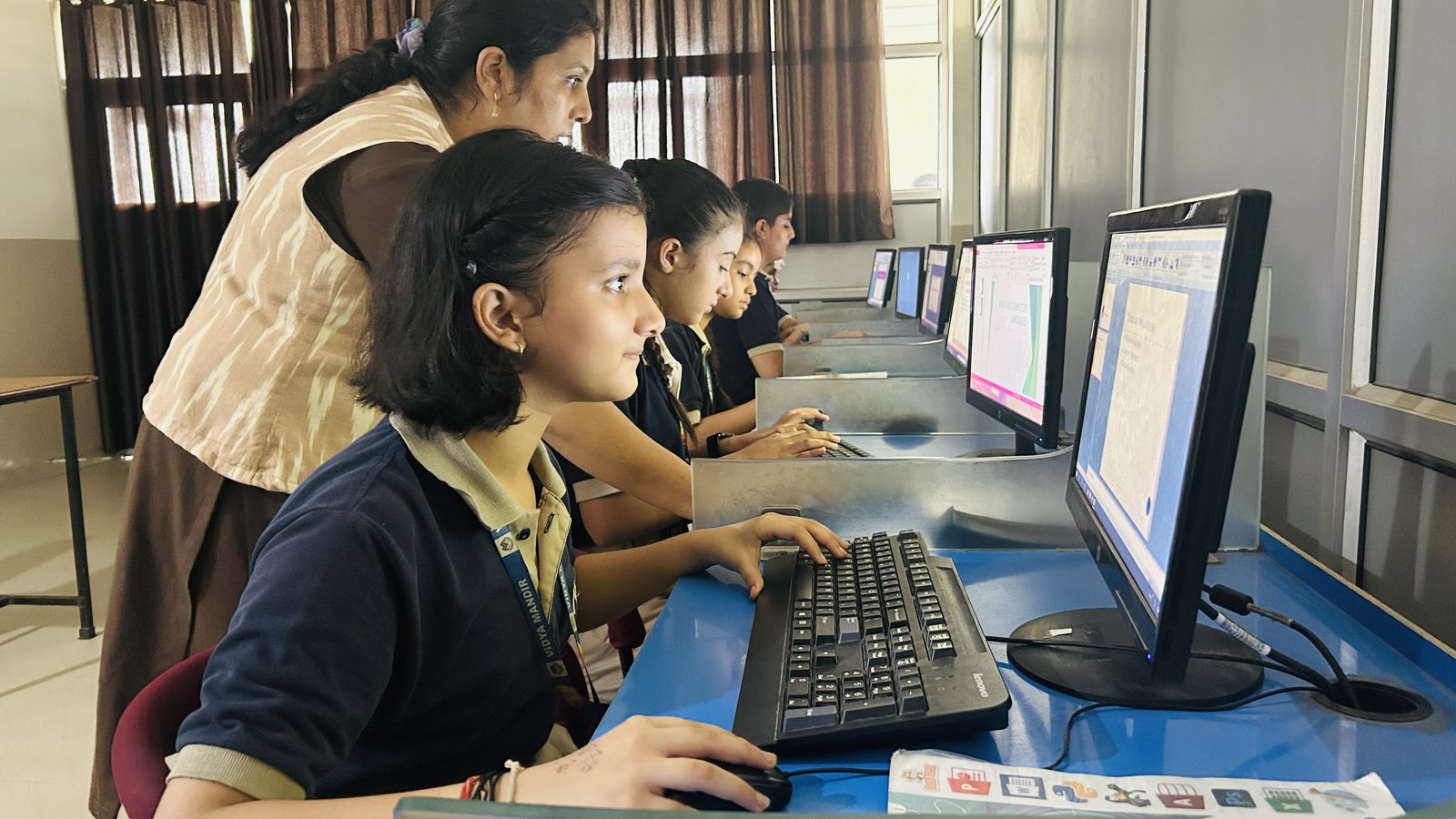
STEM, innovation and technology form an integral part of the learning ecosystem. Students are encouraged to experiment, design, investigate and find solutions, developing the analytical and problem-solving abilities required for an evolving world. Technology is used not simply as a tool for consumption but as a means to create, collaborate and innovate.
Communication and leadership receive particular attention during these years. Debates, public speaking, presentations, collaborative projects and student-led initiatives help learners articulate ideas confidently, listen to different perspectives and work effectively in teams.
Alongside intellectual development, MEDHAA recognises the emotional and social changes characteristic of adolescence. A strong framework of values, discipline, emotional well-being and life skills helps students develop resilience, responsibility and self-awareness. Sports, performing arts, clubs and co-curricular experiences provide multiple avenues for students to identify and nurture their individual strengths.
At MEDHAA, curiosity evolves into capability, ideas into action and potential into purpose.
Key Learning Experiences
- Concept-based, inquiry-driven and application-oriented learning
- Integration of STEM, innovation, digital literacy and technology
- Research, projects and interdisciplinary learning experiences
- Debate, public speaking, communication and leadership development
- Collaborative learning that promotes teamwork and problem-solving
- Focus on values, discipline, resilience and emotional well-being
- Diverse opportunities across academics, sports, performing arts and clubs
- Development of greater independence, responsibility and learner agency
Take the next step